
Explore Our Past Projects
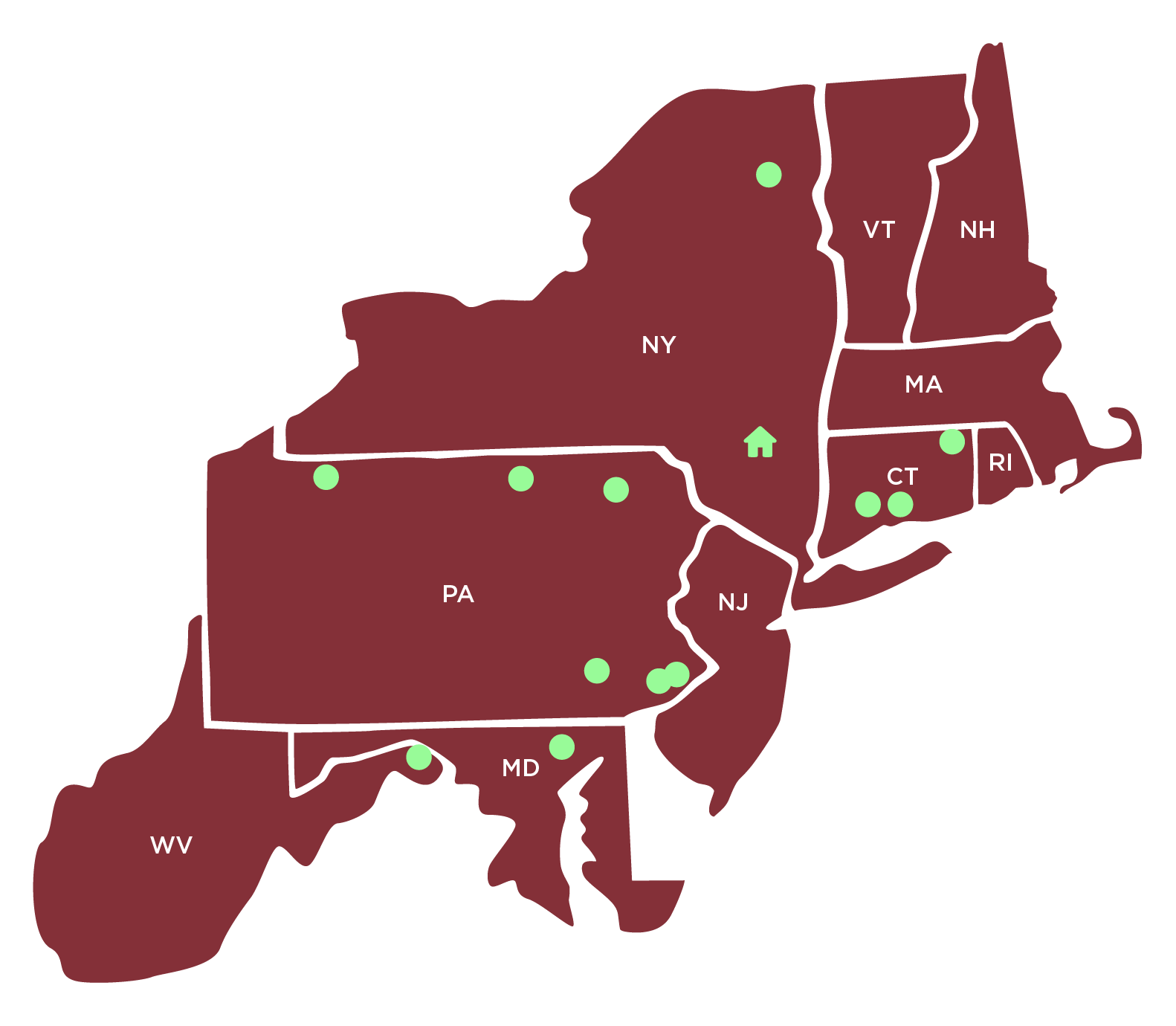
SERVICE AREA

2026
Connecticut Phase I Survey
In March of 2026, Westin Archaeology completed a Phase IA archaeological survey in support of a cultural resources assessment for a proposed telecommunications tower in North Haven, Connecticut. Consulting agencies included the Federal Communications Commission and the Connecticut State Historic Preservation Office.
Aspects of the project included proposal development, project planning, background research, field investigation, and technical reporting. The field investigation consisted of a pedestrian survey of the Area of Potential Effects - Direct Effects and a visual survey of the Area of Potential Effects - Visual Effects. The APE-direct effects totaled 0.22 acres.
No cultural materials, topographic anomalies, or other features indicative of significant historic or precontact occupation were identified within the APE. Based on these findings, a determination of “No Historic Properties” with respect to archaeological resources was recommended. The final report was submitted to the client and subsequently incorporated into the Section 106 consultation documentation.
Connecticut Phase I Survey
2026
In March of 2026, Westin Archaeology completed a Phase IA archaeological survey in support of a cultural resources assessment for a proposed telecommunications tower in Woodstock, Connecticut. Consulting agencies included the Federal Communications Commission and the Connecticut State Historic Preservation Office.
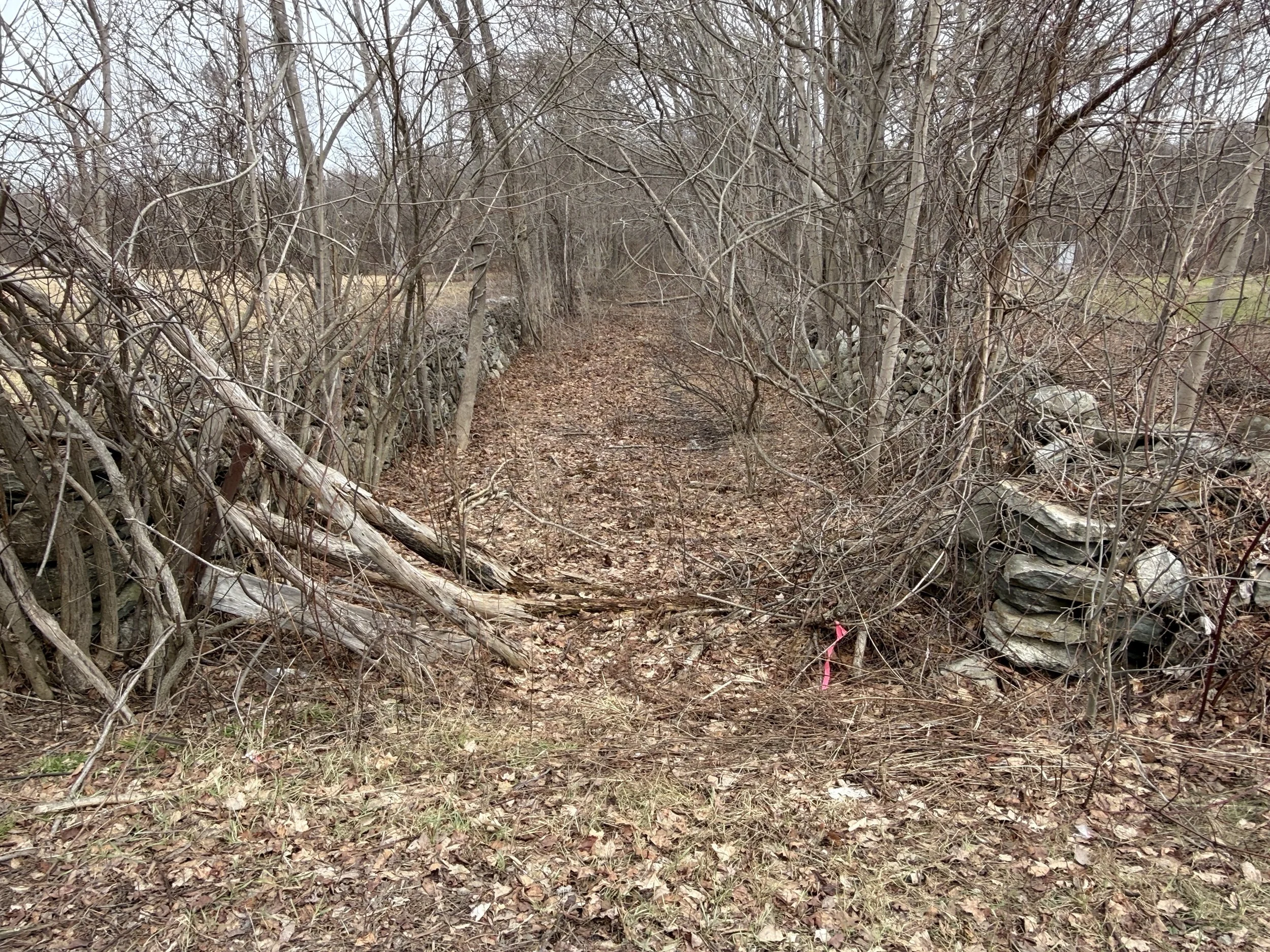
Aspects of the project included proposal development, project planning, background research, field investigation, and technical reporting. The field investigation consisted of a pedestrian survey of the Area of Potential Effects - Direct Effects and a visual survey of the Area of Potential Effects - Indirect Effects. The APE-Direct Effects totaled 0.87 acres in an agricultural field with historic farm lane and stone walls.
Background research indicated moderate archaeological sensitivity of the APE-Direct Effects. During the pedestrian survey, no cultural materials, topographic anomalies, or other features indicative of significant historic or precontact occupation were identified; however, given the undeveloped nature of the APE-direct effect and the moderate sensitivity a recommendation of a Phase IB shovel test survey was made in the report. The final report was submitted to the client and subsequently incorporated into the Section 106 consultation documentation.
Subsequently a Phase IB was completed with Monitoring by the Mohegan Tribe. The Phase IB survey was negative for cultural resources. The final report was submitted to the client, SHPO, and THPOs.
2026
Pennsylvania Phase I Survey
In April of 2026, Westin Archaeology completed a Phase I archaeological survey in support of a cultural resources assessment for a proposed telecommunications tower in Bradford, Pennsylvania. Consulting agencies included the Federal Communications Commission and the Pennsylvania Historical and Museum Commission.
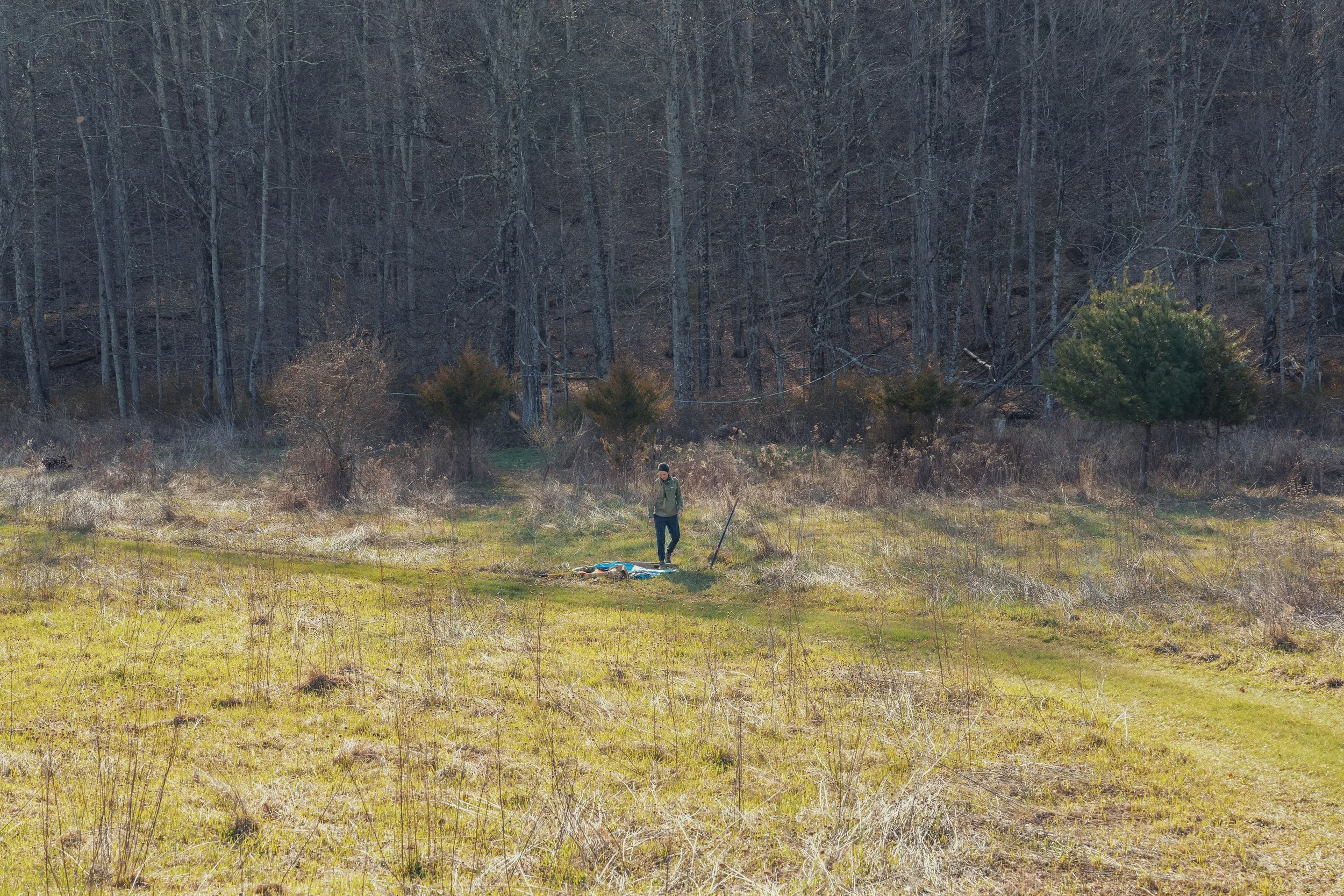
Aspects of the project included proposal development, project planning, background research, field investigation, and technical reporting. The field investigation consisted of a pedestrian survey, a subsurface survey of shovel test pits, and a visual assessment of the Area of Potential Effects-Indirect Effects.
No cultural materials, topographic anomalies, or other features indicative of significant historic or precontact occupation were identified within the APE. Based on these findings, a determination of “No Historic Properties” with respect to archaeological resources was recommended. The final report was submitted to the client and subsequently incorporated into the Section 106 consultation documentation.
Maryland Historic Bottle Dump Site Phase I Survey
2026
In March of 2026, Westin Archaeology completed a Phase IA and IB archaeological survey in support of a cultural resources assessment for a proposed telecommunications tower in Towson, Maryland. Consulting agencies included the Federal Communications Commission and the Maryland Historical Commission.
Aspects of the project included proposal development, project planning, background research, field investigation, and technical reporting. The field investigation consisted of a pedestrian survey, a subsurface survey of shovel test pits, and an architectural/historical assessment of the Area of Potential Effects, including both direct and indirect effects.
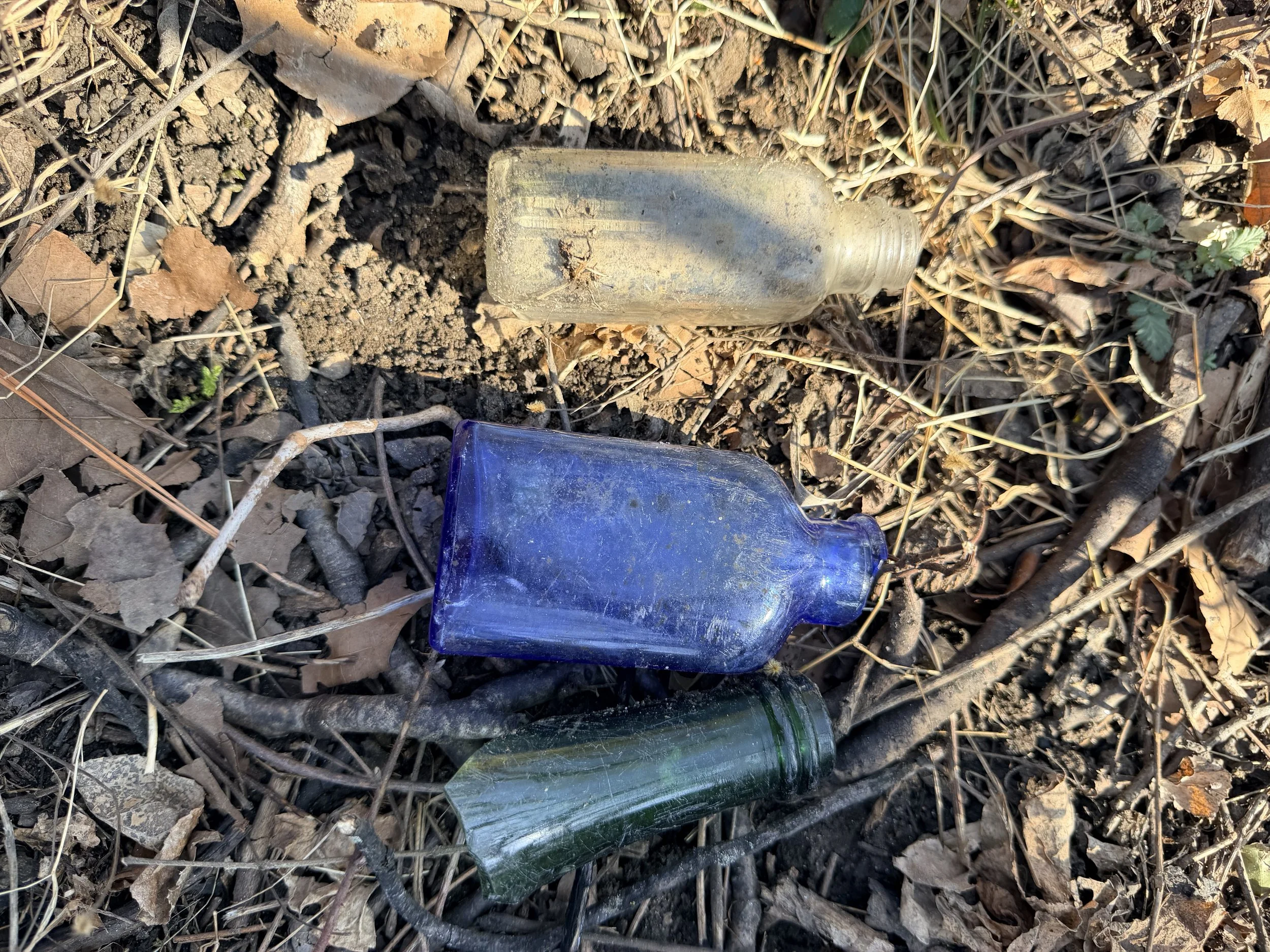
One historic archaeological site was documented on the surface as a result of the survey. Artifacts were analyzed in the field. In consultation with the Maryland Historical Commission and EBI Consulting a site form was prepared and submitted. The site was recommended as ‘not eligible’ for the National Register of Historic Places due to the documented level of disturbance and abundance of similar data. Based on these findings, a determination of ‘No Historic Properties’ with respect to archaeological resources was recommended. The final report and site form were submitted to the client and subsequently incorporated into the Section 106 consultation documentation.